A deja vu hit the Indians on Sunday, 10 May 2026, when Prime Minister Narendra Modi made announcements which reminded people of Covid restrictions and protocols.
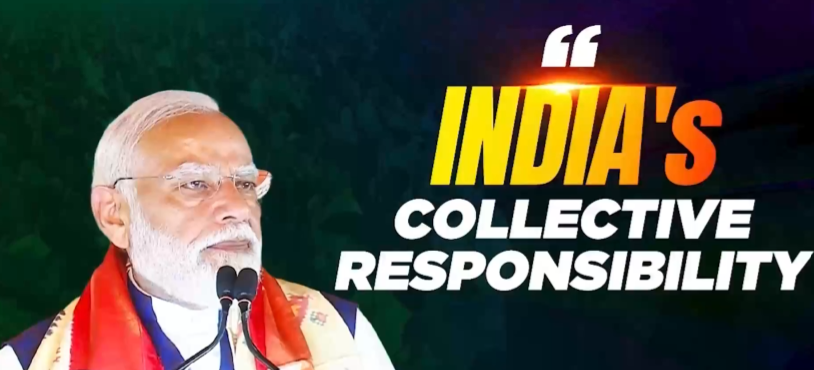
The PM was inaugurating projects around INR 9,400 crore in Secunderabad, Telangana, and during his speech, he made appeals to fellow countrymen. From a revival of work from home to control on fuel usage and gold purchase, these were more than just appeals; rather, a serious indication towards global concerns and their impact on India. Amidst the Middle East Crisis, understanding the announcement, in light of the past and present trends, is key to the question of whether an oil price surge is inevitable in the Indian domestic market or not.
PM Modi Made Key Announcements
Before getting into the logic and detailed nuances, it is important to know what announcements the PM made. During his speech, the PM made 7 key appeals to the citizens of India, each of them targeted towards restraint and judicious public behaviour amid the crisis triggered by the Middle East War.
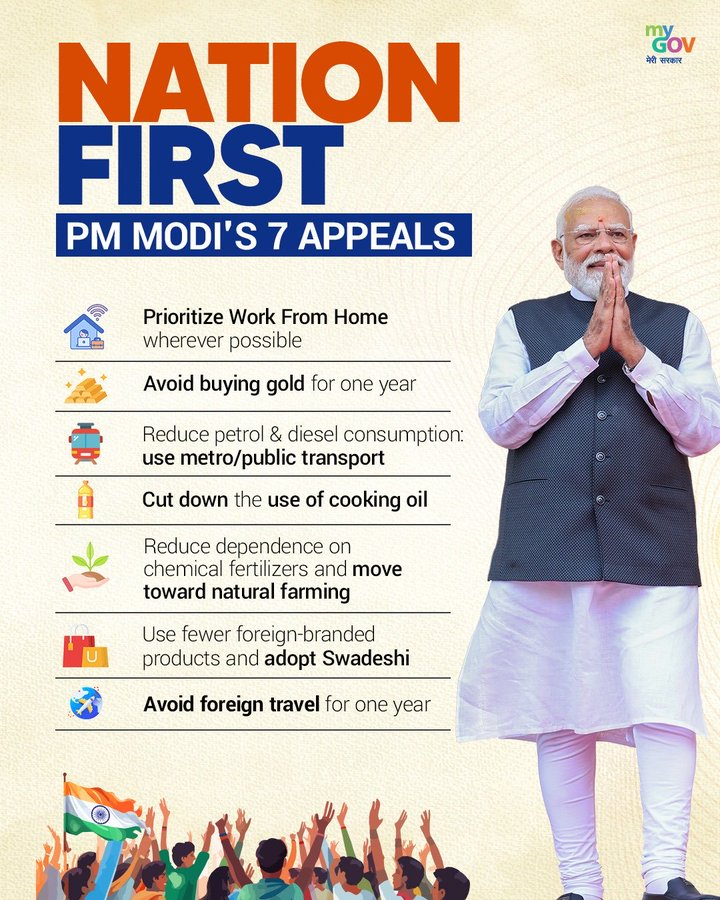
The 7 Appeals are listed below.
- Work From Home: The PM announced that Indians should avail remote work or work from home as often as possible. The objective here is to reduce excessive petrol and diesel consumption by vehicle use.
- Avoid gold purchase for a year: One of the key appeals, besides fuel, is to avoid buying gold for a year. Given that India has to import USD 72 billion of gold annually, a huge burden is created on the forex reserve. The usual tendency of citizens is to buy gold as a hedge amid uncertainty. Therefore, this appeal aims to control the depletion of forex to import gold by reducing demand, so that the forex can be used for India’s crude oil import.
- Shift to public transport: Rather than availing a private vehicle to travel, the PM encouraged the use of metros and other public transport. This can help reduce demand and avoid a petrol-diesel price hike in India.
- Reduce the cooking oil: At an individual level, the PM has suggested that people reduce the use of cooking oil.
- Switch to natural fertilisers: The disruption of the supply chain has also impacted the supply of fertilisers in the Indian market. Therefore, the PM has suggested that people can use natural fertilisers instead of artificial fertilisers.
- Make in India push: The PM has also given a push towards Swadeshi as he suggested the use of goods made in India rather than abroad. This will reduce the import bill and help invest foreign currency into the immediate requirements of fuel.
- Avoid foreign travel for a year: The PM has also warned people against travelling abroad, amid continuous tensions and escalating threats.
While the causes that triggered these announcements and trends are crucial to understand, the timing of this is equally important. The Middle East crisis is not a recent phenomenon.
So, why did the PM wait this long to announce guidelines to citizens?
Why Did The Announcement Come Now?
The timing of the announcement might have both political and economic reasons.
Geopolitical and Economic
The PM’s appeal comes at a time when US President Donald Trump rejected the peace proposals by Iran, resulting in global crude prices reaching over USD 105. Furthermore, reports on continuous breaking of the ceasefire emerge as ships are being attacked in Hormuz and strikes continue in the Middle East. For instance, on Friday, 8 May 2026, fresh drone attacks were launched by Iran on the UAE. The tense landscape of the Middle East has kept the fuel rates high.
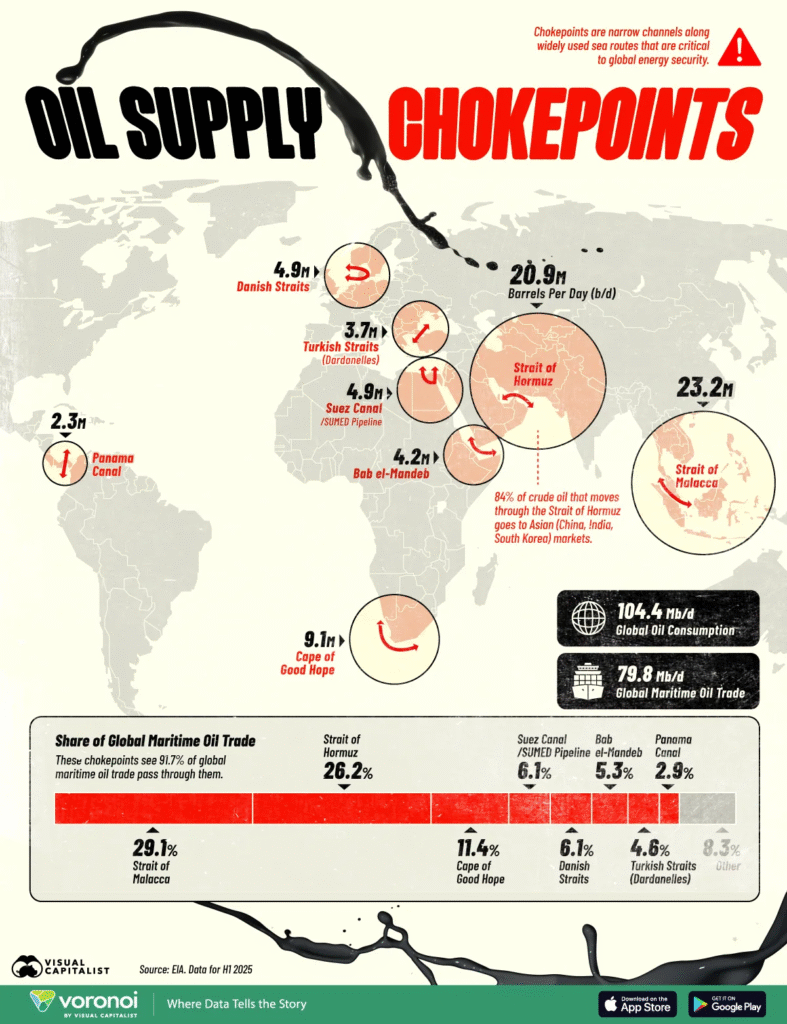
Therefore, although the Middle East crisis is not a recent phenomenon, the peace talks and ceasefire have posed hope for renewed normalcy. However, recent trends indicate that the escalations might result in long-term concerns not only for India but also the world economy, as it impacts one of the key oil supply choke points, Hormuz, which is surrounded by Middle Eastern oil-rich countries.
Political Factors
India just completed its latest round of state legislative assembly elections in major states like West Bengal, Assam, Tamil Nadu, and Keralam, along with the Union Territory of Puducherry. The next major round of elections will be in 2027 and onwards, as shown in the table below.
| Year | States with Elections |
| 2027 | Uttar Pradesh |
| Goa | |
| Manipur | |
| Punjab | |
| Uttarakhand | |
| Gujarat | |
| Himachal Pradesh |
Any major government step before this election season, or rumours on whether oil prices will increase, could have translated into electorate reactions at the polling booths. Therefore, the PM’s appeal now also cushions the political interests of the ruling party.
Now, let us dive deep into the most important question: will oil prices rise post PM’s speech?
Will Petrol Prices Increase In India in 2026?
Most of the 7 appeals that the PM made during his Telangana speech were targeted towards a reduction in fuel use. From work-from-home to the use of public transport over private transport, the intention to reduce the demand for fuel is palpable.
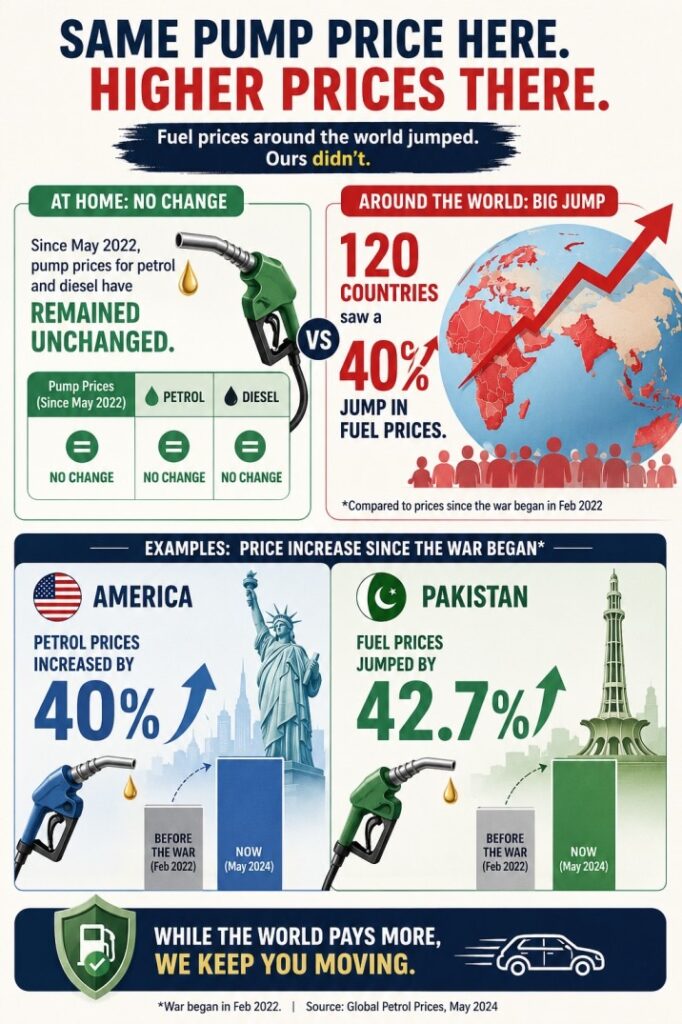
Since the Middle East war, crude oil prices have been volatile globally. However, the retail crude oil prices in India have remained frozen, with little to no change. Despite being a major fuel importer, this had been made possible because the government absorbed substantial daily losses to keep retail prices the same and shield the customers. For example, the government reduced excise duty on petrol from INR 13 per litre to INR 3 per litre, while that on diesel was made nil from the previous rate of INR 10 per litre.
Even the Oil Marketing Companies (OMCs) are absorbing the rising profits by accepting under recoveries and reduced margins during this period of rising costs for India’s crude oil imports.
Since May 2022, pump prices for petrol and diesel in India have remained unchanged, while 120 countries saw 40% jump in fuel prices. For instance, in America, petrol prices increased by 40% since the war began, while in Pakistan, they jumped 42.7%.
However, this is not sustainable for long due to the following reasons.
- OMC balance sheets cannot bleed indefinitely.
- Currently, the government has sacrificed excise to control fuel prices for the general public. However, continuing this for long will widen the fiscal deficit that has been reducing significantly since COVID.
- Repeated state intervention restricts the free operation of market forces. Therefore, the longer it takes to withdraw the support, the greater the market correction would be.
Therefore, while there is no definite answer to “will crude oil prices rise?”, the PM’s speech does indicate an impending price rise in the long-term. Furthermore, the guideline on gold is also very crucial, even in the context of Indian crude oil imports.
Modi Says No Gold, How It Relates to India’s Oil Imports
As of FY2026, the total import bill of India is estimated at USD 775 billion, with four items forming approximately 31.1% of the total bill. They are listed below.
| Item | Amount (USD) |
| Crude Oil | 134.7 billion |
| Gold | 72 billion |
| Vegetable oil | 19.5 billion |
| Fertilisers | 14.5 billion |
The gold import of India has jumped 24% since the previous year, as gold provides a hedge against rising uncertainties. The gold import of the country is so substantial that not only does it form about 10% of the list above, but also makes India the second largest gold importer.
Now, most of the import bills are settled in US Dollars. With this, notice the three suggestions by PM Modi: avoid gold purchase, reduce cooking oil use, and replace artificial fertilisers with natural fertilisers. This would yield the following benefits.
- Crude oil import: Just like “will crude oil price increase” is a concern, the sufficient availability of reserves to import crude is also necessary. If demand for gold, vegetable oil, and fertilisers falls, more reserves would be available for crude import, which is now an essential need.
- Rupee pressure: When the demand for dollars increases due to imports, the value of the rupee against the dollar falls. A demand reduction will help reduce this burden.
- Current account deficit: According to the IMF, the CAD of India could increase to USD 84.5 billion IN 2026. This implies more dollars are spent than earned. A reduction in demand for key import items like gold can help reduce this gap.
The announcement by the PM has triggered several reactions in the market. Investors must analyse this to understand the wider sentiment of the investment landscape.
Other Impacts Investors Must Know
The PM’s speech triggered market reactions, particularly in the jewellery and EV sectors.
- Jewellery: Immediately after the PM’s speech, the market reacted, with stocks of renowned jewellery companies like Titan, Senco, and Kalyan recording intraday declines, suggesting the market anticipates a fall in demand and sales for these brands.
| Company | Intraday fal |
| Titan Company Ltd. | -6.6% |
| Kalyan Jewellers India Ltd. | -9.5% |
| Senco Gold Ltd. | -10.8% |
However, on MCX, gold has a strong support at INR 1,48,000. This indicates that while jewellery stocks show volatility, gold as an asset has remained stable.
- EV Stocks: As the Prime Minister appealed for fuel conservation, investor affinity for EV sector stocks grew. Companies like Ather, JBM Auto, etc., witnessed fresh gains as illustrated in the table below.
| Stocks | Gains |
| Ather Energy | +6.55% |
| OLA Electric Mobility | +3.02% |
| JBM Auto | +4.45% |
| Olectra Greentech | +2.89% |
- Hospitality and Travel Sector Stock: The Prime Minister also discouraged non-essential travel to foreign destinations. Therefore, stocks of companies involved in tourism, like travel partners, hotels, transport, etc., saw a decline, as illustrated in the table below.
| Stock | Decline |
| Yatra Online Ltd. | -6.30% |
| Indian Railway Catering & Tourism Corporation Ltd | -2.20% |
| Thomas Cook (India) Ltd | -5.00% |
| ITC Hotels Ltd. | -3.40% |
| Lemon Tree Hotels Ltd | -2.30% |
The market reactions indicate that India is already changing gears to adjust to current trends. Now, the question is what you can do.
What Can You Do?
Rather than panic, the PM’s appeal is an opportunity for people to adjust their consumption patterns at will before any restrictions have to be imposed by the government. Although there are no announcements of any must-follow guidelines, here are some strategies you can follow.
- Physical gold is not the only gold hedge: While demand for physical gold creates an import pressure on the country, investment in gold ETFs or mutual funds does not. However, these investments can provide the same hedge amid growing global uncertainties.
- Fuel Saving Travel: Switching to EVs or shared public transport might help people save fuel, and in case of a price rise, control total expenses.
- Cooking alternative: Using rice cookers, induction, ovens, etc., can help protect against any price rise or shortage.
- Avoid panic and hoarding: However, the most important thing that cannot be stressed enough is the need not to panic and avoid hoarding essentials. Such tendencies create artificial shortages and accentuate the problem rather than addressing it.
Bottomline:
India depends on imports to meet 90% of its crude oil requirements. Therefore, how crude oil affects India’s economy is a question that does not require a fresh answer. The Middle East conflict has threatened global energy security. While other countries witnessed a price surge of petrol and diesel, the Indian government had been absorbing losses to save citizens’ pockets at the fuel pump. However, this is not sustainable in the long-term as peace talks fail and critical chokepoints like Hormuz remain blocked.
Amid this scenario, the PM urged fellow citizens to regulate their own consumption patterns before any regulations are set in place. Therefore, rather than panic, individuals should take these as signals and an opportunity to plan. Switching from physical gold to ETFs and mutual funds, or a shift to fuel-saving vehicles, can be a suitable start.

- 2 Bar Reversal Indicator - August 31, 2026
- Insurance Content Writing: How to Explain Policies Without Losing Readers - August 17, 2026
- Why Every Wealth Management Firm Needs an Industry Report (Not Just a Blog) - August 12, 2026